Fishing Hunter Design: A Graphic Asset for Print Templates
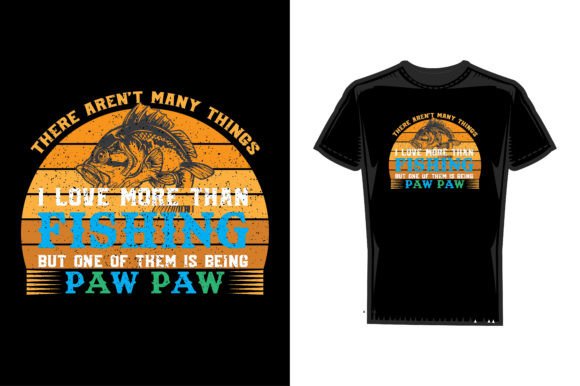
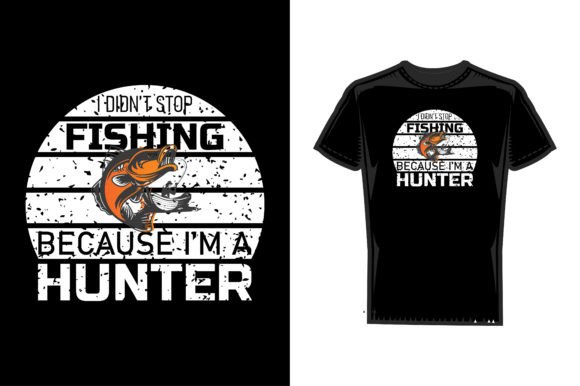
When a client project lands on my desk, the first thing I do is look for a design asset that can carry the core visual mood without requiring days of custom illustration. This Fishing Hunter T Shirt Design was the latest candidate for a boutique outdoor apparel brand’s new product line. My first impression wasn’t of a ‘simple gorgeous’ file, but of a piece with a distinct, rustic character. It evokes a specific feeling: honest, handcrafted, and connected to tradition.
A Visual Mood That Anchors a Brand Story
The design immediately suggests a style. It’s not ultra-minimal or corporate; it leans towards the handmade business aesthetic, a style increasingly sought by small business branding projects for Etsy shops, local outfitters, and craft breweries with a outdoors theme. For a client looking to launch a line of merchandise—t-shirts, mugs, tote bags—this graphic design asset provides a ready-made centerpiece. The expanded shapes mean I’m not fighting with missing fonts, which is a practical godsend when time is short. The mood it creates is nostalgic yet active, perfect for marketing visuals that need to feel authentic and engaging.
Real-World Applications Beyond the T-Shirt
In a real client project, a single strong asset like this can be leveraged across multiple touchpoints. I immediately visualize it scaling up for a poster or a window decal for a local fishing tournament. Scaled down, it could serve as a key decorative accent on product labels and packaging design, especially for a line of artisan goods. For social media graphics, this illustration could become the hero image for a campaign launch on Instagram posts or Pinterest pins, driving audience engagement through its strong, recognizable silhouette.
For digital sellers and print-on-demand sellers, the provided source files are crucial. The SVG design allows for crisp scaling on any product mockup, while the PNG with transparency can be dropped directly into Canva templates for quick blog visuals or digital ads. For Cricut projects, the vector paths in the AI or EPS files mean clean cuts for sticker designs or homemade merchandise. This isn't just a t-shirt design; it’s a versatile commercial design asset.
Where This Design Asset Works Best
Its strength lies in larger, bold applications. Think large layout areas: the front of a hoodie, the central graphic on a tote bag, or the main visual on a flyer. It works beautifully as part of a themed collection—you could easily build a suite of packaging details around its style. For printable designs like wall art or a series of greeting cards, it provides a cohesive starting point. As a supporting brand element for a company already using a more modern logo, it adds texture and emotional appeal to campaign visuals.
Caution Points for Professional Integration
However, as with any graphic asset, there are places to use it carefully. In small sizes, the finer details may become muddy, losing impact. On crowded layouts with lots of text or other elements, it could overwhelm the visual hierarchy. It wouldn’t naturally fit into minimalist branding or very clean, professional corporate materials where simplicity is key. Placing it on complex backgrounds or low-contrast designs would also dilute its power. For projects requiring sharp, editorial design clarity, this asset might serve better as an accent rather than the lead.
The Impact on Readability and Brand Trust
Using a pre-made asset always raises questions about brand consistency. If this Fishing Hunter design is used as a secondary motif alongside a clean, sans-serif font logo, it can enhance the brand’s story without confusing it. Its inherent visual trust comes from its crafted feel, which resonates with audiences seeking authenticity. But if the primary brand font is a delicate script or a strict serif, this bold illustration could clash, harming the overall impression of professionalism. The key is to test it in black and white to ensure its forms hold up, and to check contrast on both light and dark backgrounds before committing.
Practical Designer Notes Before Client Use
Before I would approve this for a paid client project, I run a few checks. First, I preview it at both small and large sizes in a real layout. Does it hold its integrity as a tiny logo on a tag? Does it feel overwhelming as a full-wrap on a mug? Second, I place it on actual product mockups—a t-shirt, a hat, a website graphic banner. This reveals how it interacts with real-world dimensions and fabrics. Third, a test print is essential, even digitally, to see if any fine lines might disappear or bleed.
The file format suite—AI, EPS, PDF, SVG, PNG—is comprehensive. For sublimation design or detailed Cricut projects, the vector files are the go-to. The PNG is ideal for quick web design or social media graphics. Crucially, I must confirm the commercial license. Using it for a client or business project requires unambiguous rights, a non-negotiable step for any digital product from a creative marketplace.
Final Judgment for a Real Project
So, is this Fishing Hunter T Shirt Design suitable for my hypothetical boutique outdoor brand? For their needs—a cohesive line of merchandise, strong marketing visuals for an online launch, and packaging that feels handmade—it is a compelling starting point. It provides a polished, thematic core that would save considerable illustration time. However, its use must be disciplined: as a dominant graphic on apparel and large prints, and as a subtle accent on more formal items like business cards or letterheads. It wouldn’t replace their logo, but it would powerfully support a seasonal campaign. In the hands of a designer who understands its strengths and boundaries, it becomes a valuable tool, transforming from a simple graphic asset into a professional design asset that elevates a real client’s visual story.