Just a Girl Who Loves Figure Skating: A Designer’s Review
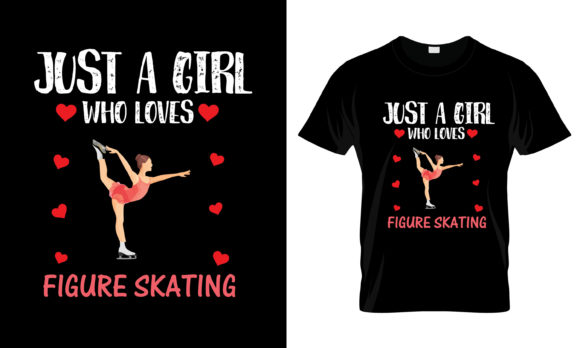
When a new embroidery design file lands on my desktop, my first thought is never about the file formats. It’s about the final stitch. What will this look like when it’s pressed onto fabric? What mood will it create? Who would want this on their item? Looking at the Just a Girl Who Loves Figure Skating design, I immediately see its charm. It’s a sweet, playful statement with a clear, friendly personality. The central theme is straightforward and positive, celebrating a specific passion. This isn’t a generic graphic; it’s a conversation starter for anyone who adores the sport.
The First Stitch: Where This Design Naturally Belongs
This design feels like it was made for personalized gifts and boutique merchandise. Imagine a client requesting a custom sweatshirt for their daughter’s birthday, or a crafter preparing items for a winter craft fair. The Just a Girl Who Loves Figure Skating design creates a warm, specific connection. It’s perfect for a youth-sized t-shirt, a cozy blanket for a young fan, or even a decorative pillow cover in a bedroom. I can easily picture it stitched onto a tote bag for a skating lesson, or as a small, heartfelt patch on a backpack. The layout, with its clear typography and thematic elements, suggests a project that’s more about personal expression than broad branding.
Thinking Through Real Embroidery Projects
Let’s walk through a real scenario. Say an Etsy seller wants to create a line of holiday gifts for sports enthusiasts. They take this machine embroidery design and run it on a soft, cotton baby onesie for a newborn whose mom is a skating coach. The design’s detail level, as seen in the high-resolution PNG preview, indicates it can hold up with good stitch clarity. On a tea towel or apron for a skating-themed kitchen, it becomes a fun decorative accent. For a small shop offering custom caps, however, I’d think carefully. The design’s elements might need adjustment for the curved surface of a cap, especially if there are any smaller decorative corners within the artwork.
In terms of visual appeal and customer trust, a cleanly embroidered version of this design speaks to quality. It’s not overly complex, which means it won’t look muddy on textured fabrics like some fleece sweatshirts. A well-executed stitch here—with proper stitch density and thread color contrast—enhances the perceived value of the finished product. It feels professional and thoughtful, which is exactly what buyers of handmade products and personalized gifts are looking for.
Where This Design Requires a Careful Hoop
Every design has its considerations. For Just a Girl Who Loves Figure Skating, I’d be mindful on a few fronts. On very thin or stretchy fabric, the text portion will need excellent stabilizer to prevent puckering. If you’re considering it for a small item, like a baby sock or a tiny patch, you must ensure your hoop size and machine can handle the design’s scale without losing definition in the lettering. Stitching it on dark fabric requires a deliberate thread choice—bright whites or light pastels for the text to pop, which is a straightforward but crucial step.
Also, while the design feels vibrant, its success on layered garments like a quilted jacket or a towel with a raised texture depends entirely on your machine settings and stabilizer choice. I wouldn’t automatically choose this for a product that needs frequent, harsh washing unless I’ve tested the stitch integrity on similar fabric first. The longevity of the embroidered patch or apparel decor matters for commercial embroidery and small business merchandise.
How This Design Elevates a Craft Business
From a business perspective, this digital embroidery file is a versatile design asset. For a digital product seller, the included SVG and EPS files are excellent for creating printable mockups to showcase the design in online listings. For the maker actually stitching it, the high-resolution PNG gives a clear preview for planning. Using this design consistently across a product line—say, on tote bags, pillow covers, and kids’ apparel—can build nice brand consistency for a shop focused on sports or youth themes.
Its giftability is high. It’s recognizable and specific, which often leads to better buyer engagement in an Etsy listing or at a craft fair. A customer sees it and immediately thinks of a person in their life. That’s a powerful hook. When stitched cleanly, it reinforces the professionalism of your craft, turning a simple graphic into a premium custom apparel item.
Practical Notes from the Worktable
Before loading this file for a real client project, here’s my standard checklist. First, test the design on scrap fabric identical to your final product fabric. This tells you everything about stitch density and potential adjustments. Second, check thread color contrast thoroughly. Run a visual test in black and white mockups to see if the elements hold their form without color. Compare how it looks on light and dark fabric texture backgrounds in your software.
Always confirm licensing details from the source. The product description lists it under Print Templates and Graphics, but you need to know explicitly if it’s cleared for commercial embroidery projects and selling finished items. Don’t assume. Inspect small details in the file preview. Are there any tiny gaps or lines that might become fragile running stitches? Planning your hoop size and stabilization strategy around those details is key.
Finally, remember that this design, while charming as a digital preview, only becomes a great product through your skill. Your choice of thread, your fabric, and your finishing work bring the Just a Girl Who Loves Figure Skating design to life. It’s a lovely, purpose-driven graphic that, with careful execution, can turn into a cherished handmade product, a successful small shop product, or a perfectly personalized gift. That’s the real project potential I see when I look at it.